THE KEY IDEA
Reserve realistic time, choose a specific task and use what you still cannot solve to shape the next session.
1. Start with the exam and your actual week
Write down the date, format and assessed content. Separate what your teacher has confirmed from your assumptions. An essay paper, an oral assessment and a multiple-choice test call for different practice, even if they cover the same material.
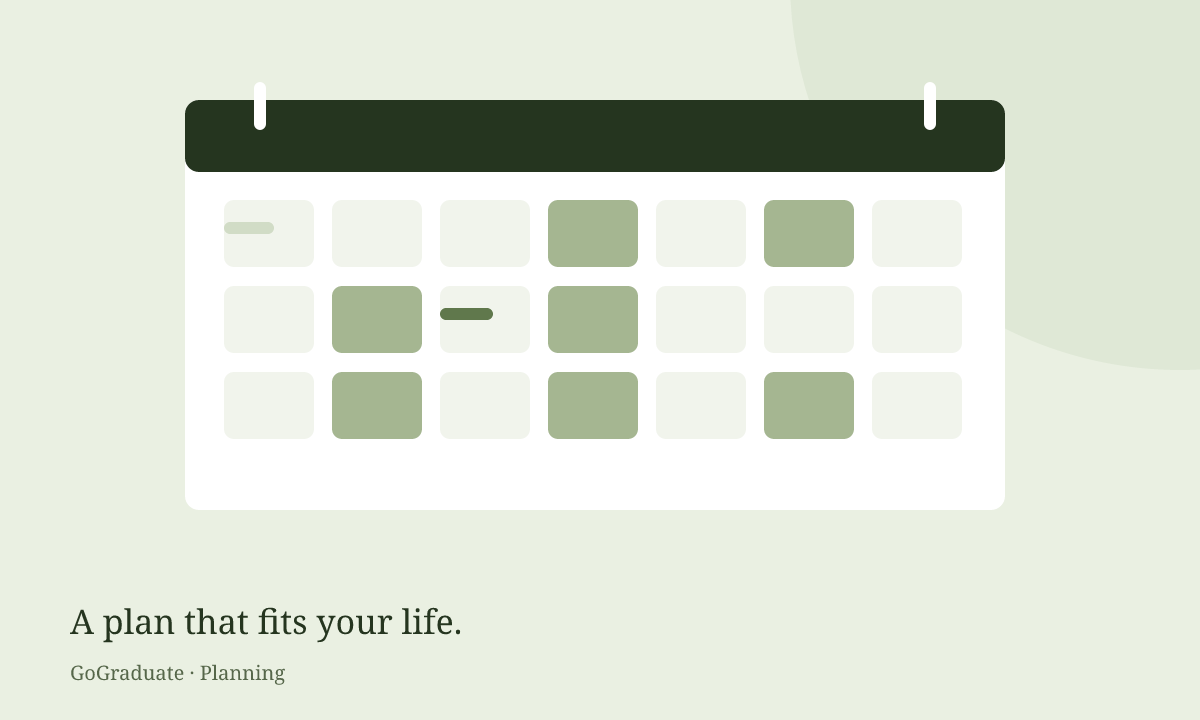
Next, mark classes, work, travel and existing commitments. Count the days when you can realistically study. Leave some room: a schedule that only works when everything goes perfectly is fragile.
Try a short task without your notes. Explain an idea, answer a question or attempt a representative exercise. What you can do is a more useful starting point than how many pages you have read.
2. Choose daily study time you can maintain
No number of hours guarantees a pass. Time depends on your starting point, the difficulty, your availability and your goal. If you are aiming for a higher mark, allow more time for varied questions and incomplete answers, as well as the essentials.
Suppose your exam is on 10 October and you are available from 17:00 to 19:00 on your chosen days. That gives you a two-hour block with a beginning and an end. It is more concrete than writing “study History” with no time attached. Check it against your other activities.
If the work will not fit, change a decision: begin earlier, expand your availability or discuss priorities with your teacher. Do not conceal the gap by stacking up impossible sessions.
3. Turn those hours into specific work
Here is an adjustable example for a two-hour session. The times cover the whole block; rearrange them around the task and your needs.
- 17:00–17:15: answer two questions from your previous revision without looking.
- 17:15–18:00: work through a section and explain it in your own words.
- 18:00–18:40: answer questions in the exam format.
- 18:40–19:00: check your answers and record what needs another session.
“Explain the causes and consequences, then write a comparison” gives you a result you can inspect. “Go through the topic” does not tell you whether you will be able to use it afterwards.
4. Schedule reviews and adapt to your answers
Return to earlier material on different days. Mix new content with previous questions and leave time for a mock exam before the final day. You then have a chance to fix difficulties while there is still time.
After each session, sort tasks into three groups: solved independently, solved with a hint, or still unclear. Use that record to prepare tomorrow. If you run out of time, choose what to move instead of automatically adding everything to the end of the next day.
The day before the exam, focus on known mistakes, preparing your materials and checking the exam arrangements. Avoid making it your first opportunity to practise.
Put the plan into GoGraduate
Create a study space for the subject or exam. In Calendar → Plan an exam, choose the space, exam date, difficulty and goal: passing or aiming for your best possible mark.
Set your available days and time windows, then review the suggested daily commitment. Before saving, check the start and finish times and any time that could not fit. You can edit the calendar activities afterwards.
Add study content inside the space. The schedule organises your availability; it cannot certify that a particular number of hours will be enough or replace your teacher’s criteria. Combine planning with practice and error review to check your progress.